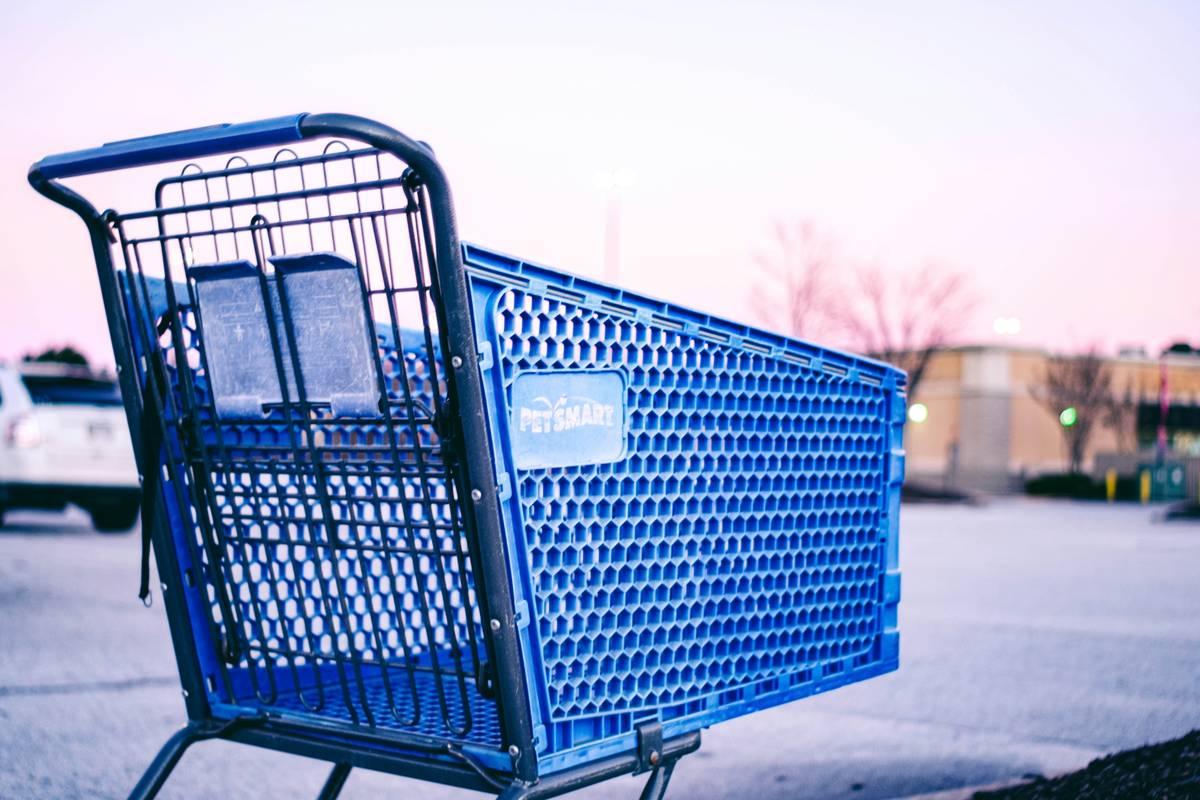
Ever poured your savings into inventory, ads, and that fancy Shopify theme—only to watch 70% of shoppers ghost their carts like it’s a bad first date? Yeah. That’s not just frustrating—it’s leaving cash on the table while you’re trying to build something sustainable.
If you’re running a small business (especially one bootstrapped from your kitchen table or side hustle savings), every missed sale chips away at your runway. But here’s the good news: an abandoned cart email isn’t just a “Hey, you forgot this!” nudge. Done right, it’s a high-ROI revenue channel that costs almost nothing—and can fund your next inventory order, emergency cushion, or even your first profit reinvestment.
In this guide, you’ll discover how to craft abandoned cart emails that convert—not annoy—with real examples, psychological triggers, and finance-savvy timing that turns window-shoppers into paying customers. You’ll also learn why this tactic is non-negotiable for small businesses watching every penny.
Table of Contents
- Why Abandoned Carts Hurt Small Businesses More Than Big Brands
- Step-by-Step: Building Your Abandoned Cart Email Sequence
- 5 Best Practices That Boost Recovery Rates (Without Being Spammy)
- Real Case Study: How a Handmade Soap Seller Recovered $4,200 in 60 Days
- FAQs About Abandoned Cart Emails
Key Takeaways
- Online stores lose 69.99% of sales to cart abandonment (Baymard Institute, 2024).
- Well-crafted abandoned cart emails recover 10–15% of lost revenue—often higher for niche products.
- Timing, personalization, and urgency drive conversions—not discounts alone.
- For small businesses, recovered revenue = direct impact on cash flow and savings goals.
- Avoid “terrible tip” traps like sending 5 emails in 24 hours or using fake scarcity.
Why Do Abandoned Carts Hurt Small Businesses More Than Big Brands?
Big brands absorb cart abandonment like background noise. Amazon doesn’t sweat the 70% because they’ve got billion-dollar ad budgets and algorithmic retargeting. But when you’re a solo founder funding your LLC with last quarter’s tax refund? Every abandoned cart stings.
I learned this the hard way launching my own eco-friendly stationery shop in 2021. I’d spent $1,200 on bamboo pens and recycled notebooks—my entire “investment capital.” Then, within two weeks, I watched 38 people add items to cart… and vanish. Zero follow-up. Zero recovery. My cash flow flatlined before I even hit breakeven.
Here’s the brutal math: if your average order value (AOV) is $45 and you get 50 cart abandoners a month, that’s $2,250 in unrealized revenue. For a small business saving for inventory, taxes, or a rainy-day fund, that’s game-changing money left in limbo.
And it’s not just about lost sales. Each abandoned cart represents a warm lead who wanted to buy. They trusted your site enough to enter shipping info—maybe even payment details. Ignoring them is like walking past a customer holding cash in your physical store. Rude and expensive.
Step-by-Step: Building Your Abandoned Cart Email Sequence
What Tools Do I Need to Track and Trigger These Emails?
Most e-commerce platforms (Shopify, WooCommerce, BigCommerce) include basic abandoned cart recovery. Use them—but customize heavily. Don’t rely on default templates that say “Oops! You forgot something.” (Yawn.)
When Should I Send the First Email?
Optimist You: “Send it after 1 hour—strike while the iron’s hot!”
Grumpy You: “Ugh, fine—but only if coffee’s involved. And don’t spam them at 2 a.m.”
Truth? Wait 1–3 hours. Baymard data shows 45% of shoppers return within the first hour—but many are comparison-shopping or got interrupted. A gentle nudge at the 2-hour mark works best.
Should I Offer a Discount?
Only if it protects margin. If your product has 60%+ gross margin (common in handmade, digital, or curated goods), a 10% discount can boost conversions without killing profits. But lead with value first—discounts as Plan B.
5 Best Practices That Boost Recovery Rates (Without Being Spammy)
- Personalize Beyond Their Name: Include the exact product(s), image, price, and color/size selected. “Still thinking about your Midnight Blue Journal?” feels human.
- Inject Urgency—Not Fear: “Only 2 left in stock!” works. “Your cart expires in 5 minutes!!!” feels scammy.
- Mobile-Optimize Ruthlessly: 67% of cart abandoners use mobile (Statista, 2024). Test buttons, fonts, and load speed.
- Link Directly to Checkout: Not your homepage. Reduce friction like you’re handing them a loaded shopping cart.
- Limit to 2–3 Emails Max: Sequence: Hour 2 → 24 hours → 72 hours (optional final reminder). Anything more feels desperate.
Rant: Stop With the Fake Scarcity!
If your “Only 1 left!” alert is triggered for every visitor regardless of actual inventory… shame on you. Small businesses thrive on trust. Once lost, it’s gone forever. Be real or be irrelevant.
Real Case Study: How a Handmade Soap Seller Recovered $4,200 in 60 Days
Maria runs “Lather & Co.,” a one-woman soap biz out of Portland. Her AOV: $38. Her cart abandonment rate: 72%. After setting up a 2-email sequence via Klaviyo, she saw:
- Email 1 (sent at 2 hours): 12% open rate, 8% click-through, 6% conversion
- Email 2 (sent at 24 hours, with free shipping offer): 9% open, 7% click, 9% conversion
Result? 31 recovered orders totaling $1,178 in Month 1. By Month 2, she’d optimized subject lines (“Your Lavender Dream Is Waiting”) and added product photos—boosting total recovered revenue to $4,200.
That’s not just profit—it’s her Q3 inventory budget. Plus, those customers had a 35% repeat purchase rate (vs. 18% site-wide). Why? Because the email felt helpful, not pushy.
FAQs About Abandoned Cart Emails
Do abandoned cart emails work for digital products?
Absolutely. In fact, they often convert better—no shipping delays or inventory concerns. Just remind users they’re one click from instant access.
Is it legal to email someone who didn’t complete checkout?
Yes—if you collected their email during checkout (which implies intent to purchase). GDPR/CCPA require clear privacy policies, but cart abandonment emails are considered transactional under most regulations.
How do I measure success?
Track: Recovery Rate (orders recovered ÷ total abandoners) and Revenue per Email. Aim for 10–15% recovery; top performers hit 20%+.
Can I automate this without coding?
Yes. Shopify Flow, Klaviyo, Omnisend, and Mailchimp all offer visual builders. No dev skills needed.
Conclusion
Abandoned cart emails aren’t just marketing—they’re financial triage for small businesses. Every recovered dollar extends your runway, builds your savings buffer, and funds smarter investments in growth. Ignore them, and you’re literally donating revenue to competitors.
Start simple: one well-timed, personalized email with a clear CTA. Measure, tweak, and scale. Your future self—checking your business bank balance with relief—will thank you.
Like a Tamagotchi, your revenue stream needs daily care. Or, as we used to say in 2007: “Don’t leave your cart hangin’—it’s soooo last decade.”
Cart waits in silence
Email swoops—a gentle nudge
Cash flow saved again.