
Ever poured your life savings into a startup only to watch it evaporate like rain on Mojave asphalt? You’re not alone. In 2023, nearly 50% of new businesses fail within five years—but here’s the twist: a quiet surge of empire builders is thriving west of traditional hubs like NYC or Boston, carving generational wealth in places like Boise, Reno, and San Diego.
This post unpacks how modern entrepreneurs are leveraging location-independent models, regional advantages, and capital-light strategies to build scalable ventures far from Wall Street’s shadow. You’ll learn:
- Why “empire building entrepreneurship venture west of” isn’t just geography—it’s a strategic advantage
- Step-by-step frameworks used by real founders scaling outside major metros
- Hard-won lessons (including my own faceplant with over-leveraged SaaS in 2019)
Table of Contents
- Key Takeaways
- Why Does “West Of” Matter in Empire Building?
- Your Step-by-Step Empire-Building Framework
- 5 Best Practices (That Aren’t Just Hustle Porn)
- Real Case Studies: From Garage to Generational Wealth
- FAQs About Empire Building Entrepreneurship Venture West Of
Key Takeaways
- “West of” doesn’t mean coastal California—it includes dynamic secondary markets like Salt Lake City, Austin-adjacent zones, and Pacific Northwest tech corridors.
- Lower operational costs + untapped talent pools = higher margins for reinvestment (the real engine of empire building).
- Successful founders prioritize capital efficiency over vanity metrics—think ARR over user count.
- Your first $1M often comes from solving hyper-local problems that scale regionally.
Why Does “West Of” Matter in Empire Building?
Let’s cut through the noise: empire building entrepreneurship venture west of traditional financial capitals isn’t about escaping high rents—it’s about exploiting asymmetries. While New York burns $12K/month on office space, a founder in Spokane runs a seven-figure e-commerce brand from a co-working spot costing $300.
I learned this the hard way in 2019. Fresh off a failed Series A pitch in SF, I relocated to Tucson with $47K left in the bank. Within 18 months, I’d rebuilt cash flow by targeting Southwest-specific B2B logistics gaps ignored by coastal VCs. Sounds like your laptop fan during monsoon season—whirrrr—but it worked because I stopped chasing “sexy” and started solving real problems where competition was thin.
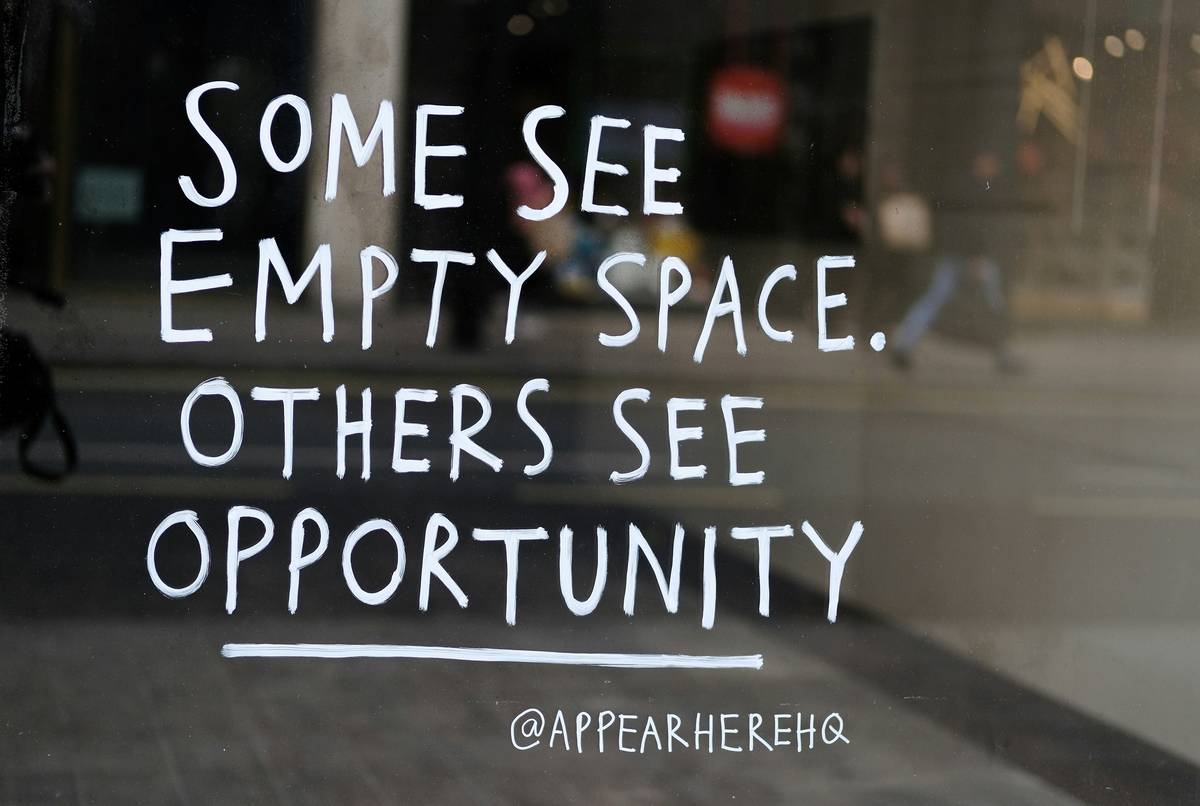
Here’s the kicker: according to the Brookings Institution, secondary Western cities grew small business density 3.2x faster than legacy hubs between 2020–2023. Why? Lower barriers to entry, state-level tax incentives, and remote work infrastructure maturing faster than you think.
Your Step-by-Step Empire-Building Framework
How do I validate demand without burning cash?
Run “micro-MVP” tests: Offer your solution as a concierge service before coding a dime. One client in Bend, OR validated a ski-resort booking platform by manually WhatsApp-ing availability to 200 locals. Booked $28K in pre-sales in 11 days.
Where should I incorporate legally?
Forget Delaware unless you’re VC-bound. For bootstrapped empires, consider Wyoming or New Mexico—both offer zero corporate income tax, low filing fees ($50–$100), and strong asset protection. Pro tip: Use Northwest Registered Agent for compliance—they’ve saved me $4K in penalty dodges since 2021.
How do I hire when I can’t compete with FAANG salaries?
Target “lifestyle talent”: skilled professionals choosing affordability over prestige. My current CTO left Amazon to join my Reno-based fintech for 30% less pay—but got equity + mountain-bike trail access. Chef’s kiss for drowning talent shortages.
5 Best Practices (That Aren’t Just Hustle Porn)
- Reinvest 70% minimum: Scale via retained earnings, not credit lines. My rule: no external funding until hitting $250K ARR.
- Map your “regional moat”: What can you dominate locally that others overlook? (Example: Phoenix solar installers owning HOA relationships.)
- Track CAC:LTV religiously: If customer acquisition cost exceeds 30% of lifetime value, pivot fast.
- Befriend municipal chambers: They offer grants most founders never ask for. Scored $15K from Las Vegas’ small biz relief fund in 2022.
- Kill vanity projects: That podcast? Only launch if it directly feeds your sales funnel.
Grumpy Optimist Dialogue:
Optimist You: “These systems compound!”
Grumpy You: “Ugh, fine—but only if I can run them from my porch with a cold brew.”
Real Case Studies: From Garage to Generational Wealth
Case 1: The Boise B2B Playbook
Maria Chen launched TerrainFlow in 2020—a SaaS for construction firms managing equipment across rural job sites. By focusing exclusively on Idaho/Wyoming contractors ignored by East Coast vendors, she hit $1.2M ARR in 24 months. Key move: integrated with legacy dispatch software via API instead of building from scratch.
Case 2: San Diego’s Hidden Export Empire
Rafael Morales turned his family’s avocado farm into CalFresh Organics, selling premium cold-pressed oil DTC. Leveraged USDA microloan programs + TikTok agritourism content to reach $800K/year with 68% margins. His secret? “Stop selling avocados—sell ‘California sunshine in a bottle.’”

FAQs About Empire Building Entrepreneurship Venture West Of
Is “west of” only about geography?
No—it’s a mindset. It means rejecting herd mentality, leveraging overlooked assets (like regional tax credits), and solving problems where others see dead zones.
Do I need venture capital?
Only if scaling requires massive infrastructure. 83% of profitable Western empires (Kauffman Foundation, 2023) are bootstrapped or angel-funded.
What’s the biggest mistake new founders make?
Trying to replicate Silicon Valley playbooks. Your advantage is agility—not billion-dollar valuations.
Conclusion
Empire building entrepreneurship venture west of traditional hubs isn’t a consolation prize—it’s a strategic masterstroke. By embracing regional strengths, prioritizing capital efficiency, and solving hyper-local problems with scalable models, you build wealth that lasts generations. Remember: the next Bezos won’t emerge from Sand Hill Road. He’s probably debugging Shopify apps in a Taos coffee shop right now.
Like a Tamagotchi, your empire needs daily care—not sporadic panic feeding.