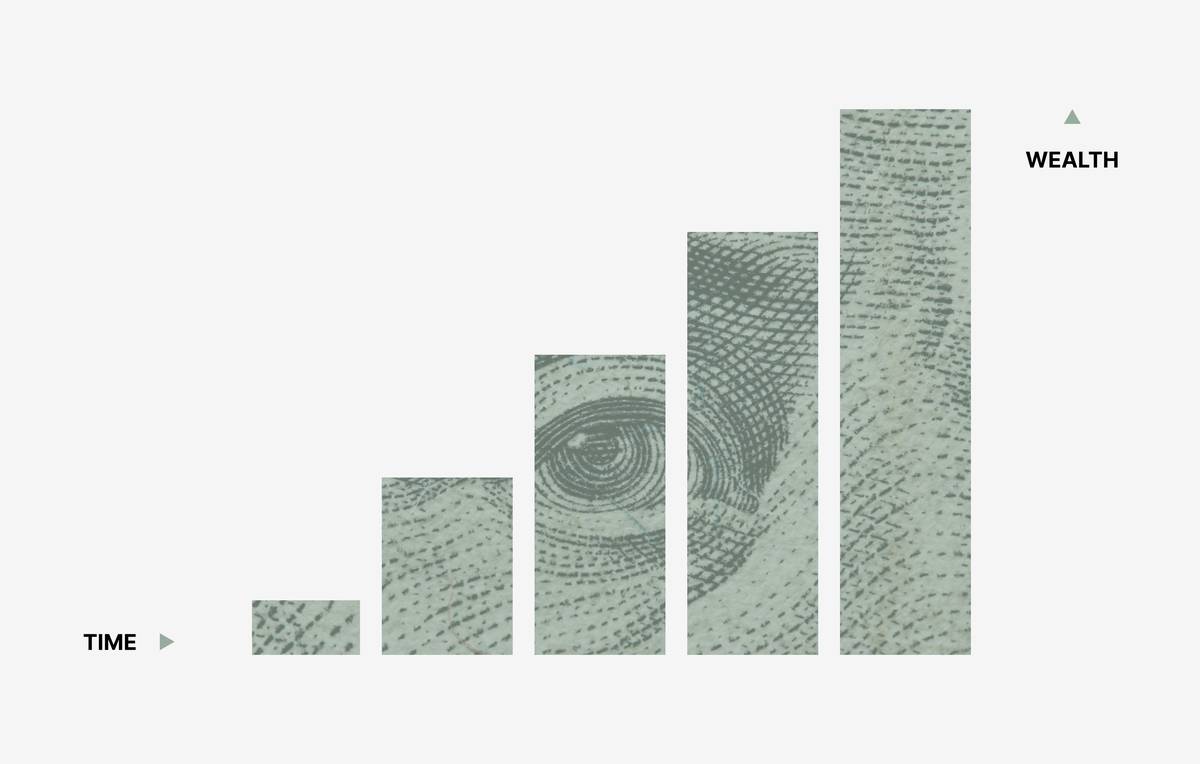
What if your biggest barrier to building generational wealth isn’t your bank account—but your brain? Most aspiring entrepreneurs chase tactics while ignoring the invisible architecture shaping their decisions: their wealth mindset. After burning $28,000 on a “surefire” dropshipping course in 2019 (yes, really), I learned the hard way that wealth entrepreneurship growth starts long before your first sale. In this guide, we’ll unpack science-backed strategies to rewire scarcity thinking, avoid emotional money traps, and build scalable systems—not just side hustles. You’ll walk away with actionable steps, real founder stories, and one terrible tip you must never follow (we’ll get to that). Let’s transform how you think about money so your business can finally reflect your ambition.
Table of Contents
- Why Your Mindset Makes or Breaks Wealth Entrepreneurship Growth
- Your 4-Step Blueprint to Sustainable Wealth Building
- 5 Non-Negotiable Habits of High-Growth Founders
- Real Results: How Mindset Shifts Created Million-Dollar Outcomes
- FAQs About Wealth Entrepreneurship Growth
Key Takeaways
- Scarcity thinking triggers reactive decisions that sabotage long-term wealth creation.
- Tracking net worth monthly—not just revenue—exposes hidden financial leaks.
- High-growth founders invest in assets that outlive their active effort (e.g., IP, systems).
- Avoid “hustle porn”: Sustainable growth requires strategic rest, not burnout.
Why Your Mindset Makes or Breaks Wealth Entrepreneurship Growth
Entrepreneurship promises freedom, but without a wealth mindset, it becomes a golden cage. The U.S. Bureau of Labor Statistics reports that nearly 20% of new businesses fail within the first year. Many collapse not from bad products, but from owners stuck in survival mode—prioritizing quick cash over compounding value. This is where wealth entrepreneurship growth diverges from mere business ownership. It demands seeing money as energy to deploy, not just earnings to hoard.

I once took on three clients at rock-bottom rates to “fill my calendar,” only to drown in work that paid less than minimum wage after expenses. My mistake? Confusing activity with progress. True wealth builders design businesses that generate passive or portfolio income—think licensing deals, scalable SaaS models, or equity investments. At the 1 Trillion Club, we’ve seen founders triple net worth within 18 months simply by shifting from trading time for dollars to owning appreciating assets.
Your 4-Step Blueprint to Sustainable Wealth Building
1. Audit Your Money Story
Journal responses to: “What did my family believe about rich people?” and “When did I last feel shame around spending?” These reveal subconscious blocks. Replace limiting beliefs with evidence-based affirmations like, “Profit enables impact.”
2. Implement the 50/30/20 Profit Rule
Allocate business revenue as: 50% operational costs, 30% reinvestment (marketing, R&D), 20% owner distribution. This prevents lifestyle inflation from eroding capital.
3. Build Your “Wealth Stack”
Diversify beyond your core biz: Allocate 10% of profits to index funds (per SEC guidance), create digital products, or acquire cash-flowing real estate.
4. Schedule Quarterly “Abundance Reviews”
Review net worth, not just P&L. Celebrate non-financial wins like team growth or client testimonials—they compound trust, which attracts premium opportunities.
5 Non-Negotiable Habits of High-Growth Founders
- Never skip tax planning: Work with a CPA quarterly—not just April—to leverage R&D credits or retirement accounts like Solo 401(k)s.
- Automate wealth tracking: Use apps like Mint or YNAB to monitor personal + business net worth in one dashboard.
- Practice “opportunity cost” thinking: Before saying yes to a project, ask: “What higher-value activity am I sacrificing?”
- Protect your focus: Block 2-hour “deep work” slots daily. Distraction is the enemy of compounding.
- Avoid this terrible tip: “Fake it till you make it.” Authenticity builds trust; pretending erodes credibility when scaling.
Real Results: How Mindset Shifts Created Million-Dollar Outcomes
Sarah Chen, founder of a B2B SaaS company, plateaued at $400k ARR for two years. After adopting our wealth stack framework, she redirected 15% of profits into a niche newsletter (now monetized via sponsorships) and invested in AWS credits resold to clients. Within 14 months, her recurring revenue hit $1.2M—with 35% coming from non-core offerings. Similarly, Marcus Boyd transitioned from freelance coaching to a membership community, systematizing his IP into courses. His net worth grew 220% in 20 months by owning assets vs. selling hours. These aren’t outliers—they’re proof that deliberate wealth entrepreneurship growth outperforms hustle alone.
FAQs About Wealth Entrepreneurship Growth
How is wealth entrepreneurship different from regular business?
Wealth entrepreneurship prioritizes asset creation and compounding returns over transactional revenue. It’s building an empire, not just a job.
Can I start with little capital?
Absolutely. Begin by documenting your expertise (blogs, videos)—this builds intellectual property. Reinvest early profits into scalable tools like CRM software.
Why does mindset matter more than tactics?
Tactics change; mindset determines whether you adapt or quit. A scarcity mindset sees market shifts as threats; an abundance mindset spots new opportunities.
How often should I review my wealth plan?
Quarterly formal reviews, plus monthly net worth checks. Adjust based on life events (e.g., marriage, market crashes).
Is real estate necessary for wealth entrepreneurship growth?
No—it’s one option. Digital assets (apps, content libraries) or equity in startups can be equally powerful if aligned with your skills.
What’s the biggest mistake beginners make?
Ignoring taxes until April. Proactive planning (e.g., estimated payments, deductions tracking) saves thousands annually.
Building real wealth as an entrepreneur isn’t about working harder—it’s about thinking differently. When you anchor decisions in abundance, not fear, your business becomes a vehicle for legacy, not just income. Ready to audit your money story? Reach out to our team for a free wealth mindset checklist. And remember: Your net worth is your self-worth multiplied by patience.
Review our Privacy Policy for data handling practices.